




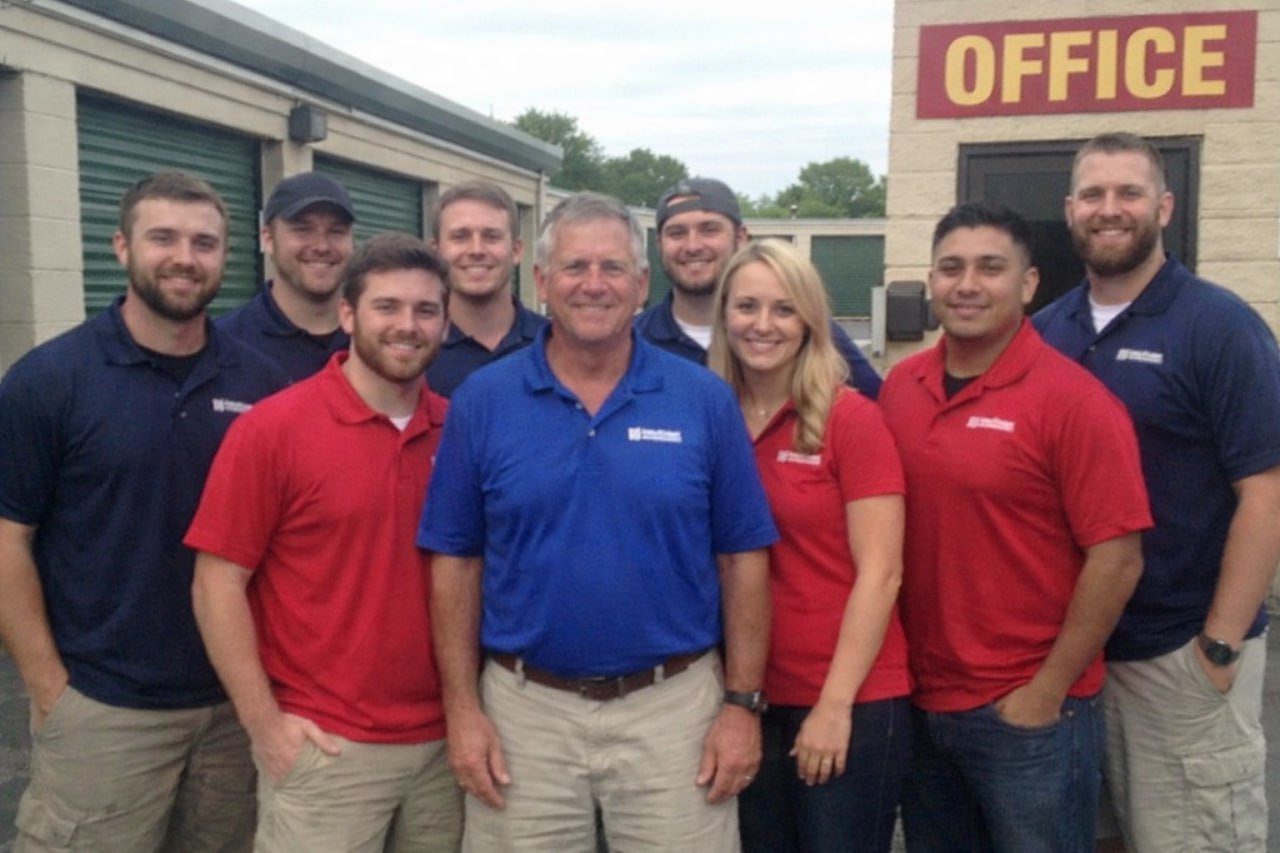
Put simply, mitigation is the work of holding damage to its current size. Repair is a different job. Think of it as all the protective work that comes first, aimed at saving what remains sound. Our Wilmington crew mitigates a loss in four moves: control the source, extract the water, contain the wet zone and stabilize the building. Good mitigation makes the later repair smaller, and now and then makes it unnecessary.
Many homeowners treat restoration and mitigation as one and the same. Each is its own phase of the job. During mitigation, the urgent part, the loss is halted, its spread is limited and the home is made stable. Once the structure tests dry, restoration takes over and covers repairing or rebuilding finishes, drywall and floors that were damaged. Insurers treat them as separate line items too, so it helps to know which phase you are in.
Four tasks make up most mitigation visits. Source control, so no new water enters. Two: extract whatever water is standing. Third is containment, where controlled airflow and plastic barriers keep contaminants and moisture away from clean rooms. Four: stabilize by pulling materials beyond saving, applying antimicrobial to surfaces and setting up air movers plus dehumidifiers. We also protect furniture and belongings by moving or blocking them up.
Should You DIY or Call a Pro?
Some simple tasks are suitable for DIY, but most water damage work benefits from professional tools, training, and experience. Here's a comparison:
| Factor | DIY Approach | Professional Service |
|---|---|---|
| Water removal | Wet vac and a stack of towels | Bulk water out with pumps, extractors |
| What stays or goes | Judging by look and feel | Keep or remove, based on moisture readings |
| Source control | Shut the valve and hope | Cause verified, isolated, recorded |
| Containment | Closed doors and towels | Sealed barriers and controlled airflow |
| Contaminated water | Wiping obvious spots with bleach | Category-specific antimicrobial applied |
Water Damage Mitigation Issues? We Can Help.
Call Wilmington Restoration for fast, reliable service.
Call (423) 546-7408 TodaySigns It Is Time for Water Damage Mitigation
Catching these issues early helps you avoid costly problems and protect your property. Watch for these telltale signs that professional help is needed:
- Rain is getting inside through a damaged roof or an open window gap.
- Water is no longer flowing, though it has left wet floors, cabinets or walls behind.
- Flooring is carrying moisture past the doorway to an adjoining room.
- The house feels muggy and window glass is wet with condensation since the leak.
- Carpet squishes underfoot, or the pad beneath it is saturated.
- The insurance company instructed you to take reasonable action against further damage.
- The pipe was repaired by a plumber, and the water it released is still there.
Don't Wait Until It's an Emergency
Many water damage problems start small but can escalate quickly into costly emergencies. If you notice any of these signs, contact Wilmington Restoration at (423) 546-7408 for a prompt evaluation.
What to Expect From Our Water Damage Mitigation
We follow a proven process to ensure every job is completed to the highest standards. Here's what you can expect when you choose Wilmington Restoration:
Control the Source
Depending on the cause, our crew closes the supply, caps a failed line, or covers the entry point with tarps and boards. Should a lasting fix require a plumber or a roofer, our team coordinates when that happens.
Extract the Water
We extract standing water using pumps and extraction units, then check carpet and its padding. Drying machines on their own cannot limit damage the way prompt bulk extraction does.
Contain Wet Areas
Plastic barriers and controlled airflow separate wet rooms from dry ones. That way dust, humidity and contaminants do not move through the home during the work.
Stabilize and Dry
We remove what cannot be saved, treat surfaces with antimicrobial, and place dehumidifiers and air movers. Each visit includes logged moisture readings, and the structure is usually ready for repair work within 3 to 5 days.
Maintenance Tips for Water Damage Mitigation
Taking preventive measures can help you avoid costly water damage issues down the road. Here are our expert recommendations:
- Have your water heater inspected yearly and replace it before the tank fails.
- A monthly look around toilets and inside sink cabinets catches drips, staining and spongy flooring.
- Have an automatic shutoff fitted, so the main closes itself once a leak is sensed.
- Replace rubber washing machine hoses with braided steel lines every five years or so.
- Regrade low spots beside the house where water gathers after rain.
- Find the main water valve and make sure it has not seized.
Questions About Water Damage Mitigation?
Call Wilmington Restoration to discuss your water damage mitigation needs with a IICRC-certified technician.
Call (423) 546-7408 TodayWater Damage Mitigation FAQ
Why Professional Water Damage Mitigation Matters
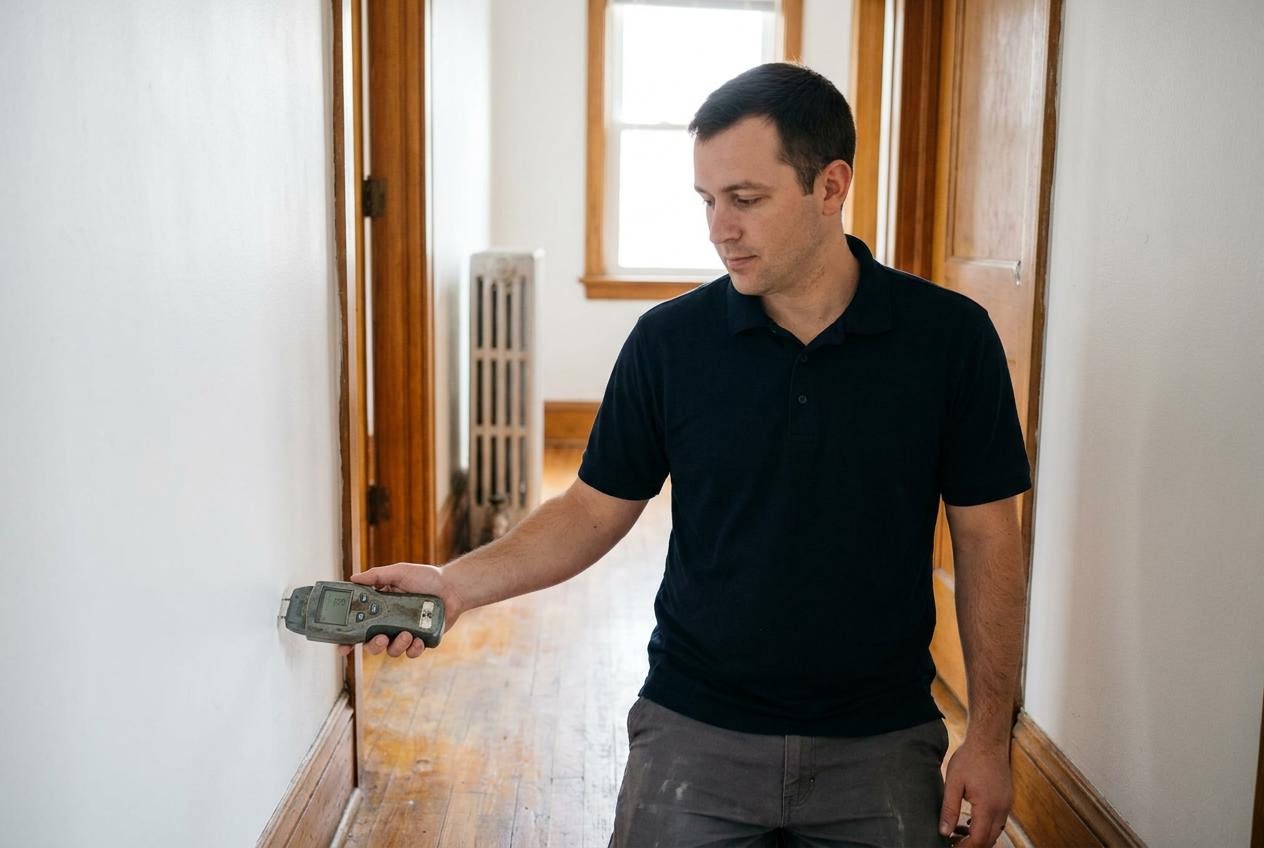
Doing mitigation well means making a string of quick judgment calls. Can this section of drywall dry in place, or does it need cutting out? Which category applies, 1, 2 or 3, and did that change after the leak first began? Should the toe kick under the cabinets be pulled? Each decision rests on meter readings and our training, never on whether something seems dry to the eye or hand.
Good mitigation also protects your claim. Owners are required by most policies to take reasonable steps against further damage, and the insurer will ask for evidence. We photograph conditions on arrival, record moisture readings daily and keep a list of anything removed. That file shows what the water did and what was done about it. The repair contractor gets a clear place to start as well, without hidden moisture waiting behind fresh drywall.
Schedule Your Water Damage Mitigation Service
Don't let water damage problems get worse. Call Wilmington Restoration now for prompt, professional service.
Call (423) 546-7408 Now