Reviews





Our crews are certified, insured and equipped for bathroom water damage. They find the hidden moisture and dry it properly.
You focus on your home. We put together the photos, readings and reports your insurance company needs.
Water does not wait for business hours, and neither do we. Call any time and we will get a team moving.
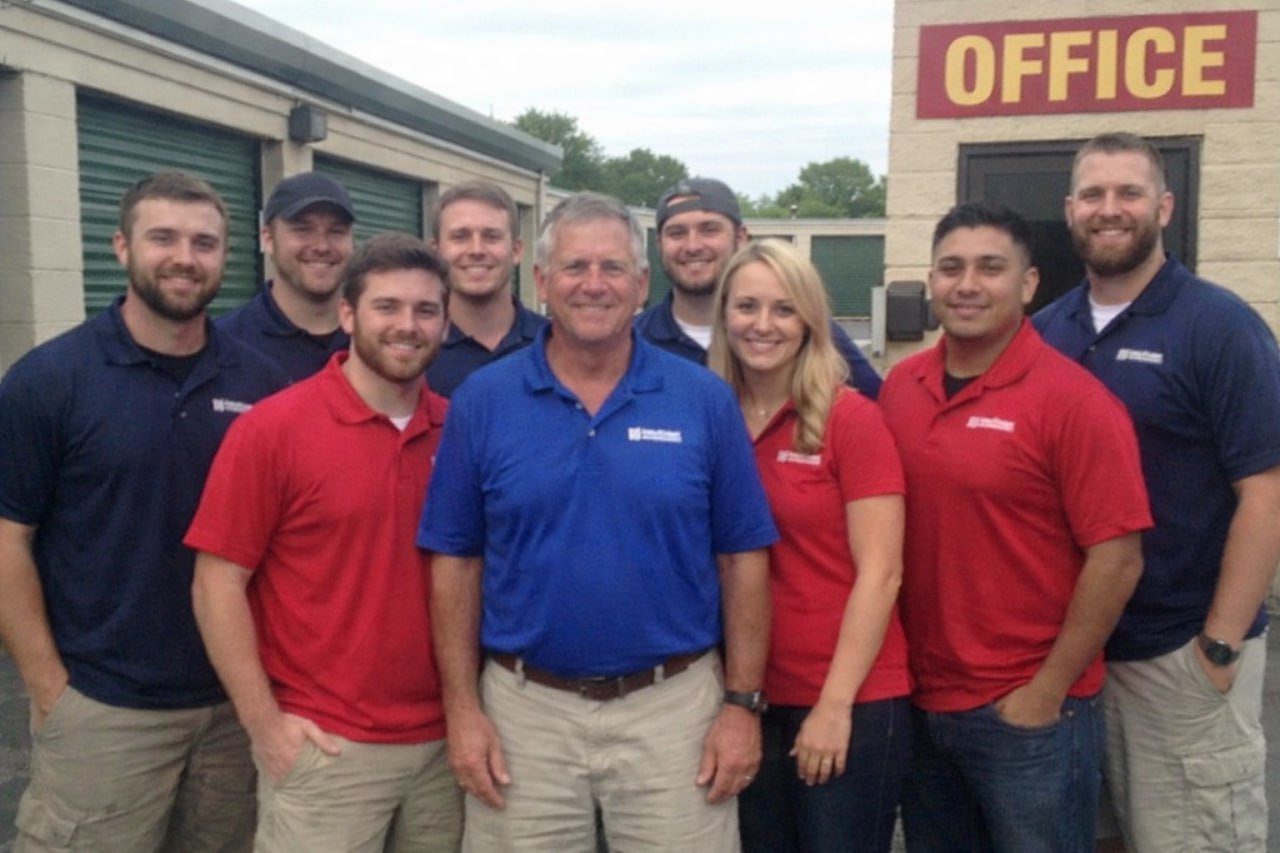
When you call about bathroom water damage, you reach a restoration team that works in Wilmington every day. We tell you what it will take, give you a clear quote and get a crew moving.
Bathrooms are built to get wet on the surface, not underneath it. Once caulk splits, grout thins out or the toilet seal gives up, each shower and flush sends a bit of water through. Hidden from view, it builds up behind the wall tile and down in the subfloor. Our Wilmington team finds where the water is getting in, measures how far it has gone, and dries or removes what is wet.
These leaks are usually slow, so the damage is often deeper and older than it appears. The tile can look perfectly fine while the subfloor beneath the toilet has gone soft clear through. With thermal imaging and moisture meters, we map what is wet before any demolition, and we open just the sections that will not dry in place.
Water follows pipes and joists before it drips, so the stain downstairs may sit several feet from the actual leak. Wiring and light fixtures may lie along that route.
A failed wax ring leaks a little with every flush. The toilet eventually rocks because this category 3 water has rotted the subfloor at the flange.
Supply valves and drain fittings under the sink can drip for months behind stored bottles and towels. The cabinet floor swells, and the water runs through to the subfloor and the wall behind it.
Steam lingers after each shower when the exhaust fan is weak or absent. Mold feeds on the moisture that lands on ceilings and walls, and damp materials dry far more slowly.
We save what can be dried properly and remove only what cannot. Moisture readings make that call, not guesswork.
Call (423) 546-7408| Material | Can usually be saved when | Has to be replaced when |
|---|---|---|
| Subfloor | Firm underfoot, with readings back to normal after days of drying | Around the flange or along the tub, the wood is dark, soft or flaking |
| Sheet vinyl flooring | Edges and seams are still sealed, so nothing got underneath | Moisture is trapped under it, or it has curled, lifted or discolored |
| Baseboards and door casing | Wood trim with a clean back side that stays flat once dry | Fiberboard that puffed up, or trim soaked by water from the toilet |
| Tile backer board | Wet cement board, as long as it is sound and mold free | Behind the tile, green board or drywall that has gone soft |
| Ceramic tile | The bond is intact and the subfloor underneath is dryable | The tiles have come loose, or the floor below feels soft |
With every shower, the bad caulk or grout lets a small amount of water through. Nothing shows yet, but the subfloor edge and the board behind the tile are absorbing it.
The wood under the tile never gets a chance to dry between showers. Mold gets going in the wall cavity and on the floor's underside.
Grout darkens, tiles loosen, and the caulk line turns black. If there is a room below, a stain appears on its ceiling and slowly widens.
Subfloor around the toilet or tub turns soft and joists may begin to rot. Drying alone no longer fixes it, because carpentry and new tile are now part of the repair.
We test the tub, shower, toilet and supply lines one at a time, and use moisture meters and thermal imaging to see where water has traveled under tile and inside walls.
We take out rotted subfloor, soft wall board and tile that has come loose. Where the toilet leaked, we treat the area as contaminated and remove porous material that cannot be cleaned.
The subfloor, the framing in the walls and the space above the lower ceiling are dried with air movers and dehumidifiers. We apply antimicrobial treatment and confirm dry readings before anything is closed up.
We replace subfloor and backer board, and can coordinate tile, a new toilet seal, fresh caulk and ceiling repair so the leak path is closed, not covered over.
Have a different question? Call us and we will answer it over the phone.
Call (423) 546-7408Take action now and prevent costly damage. Wilmington Restoration is ready to help.
Call (423) 546-7408 Now